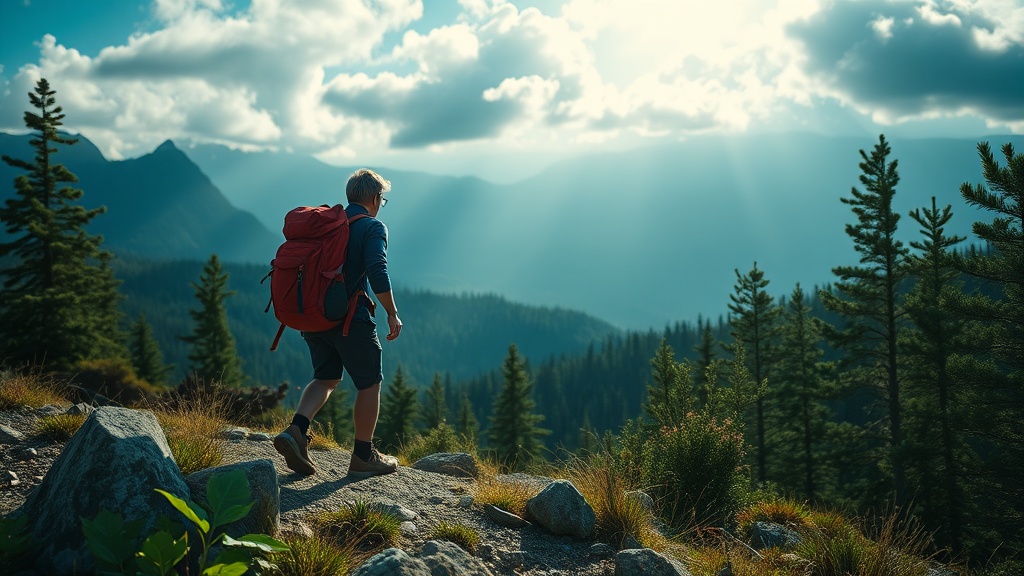
Pack a Lightweight Backpack for Your Hike

You’re halfway up a steep ridge near Opeongo Lookout, the sun is beating down, and you realize your pack feels like you're carrying a bag of wet gravel. Every step is a struggle because you packed "just in case" items you never actually used. This guide breaks down how to strip your gear down to the absolute necessities, ensuring your weight stays manageable and your energy stays high for the actual hiking.
Weight isn't just about comfort—it's about safety. In the rugged terrain of Algonquin Park, a heavy pack can lead to fatigue, which leads to mistakes. We'll look at how to select gear, how to prioritize weight over bulk, and how to avoid the common mistakes that leave hikers overpacked and exhausted.
How Do I Choose the Right Backpack for Hiking?
The right backpack is one that fits your torso length and distributes weight to your hips rather than your shoulders. You shouldn't just grab any bag; you need a technical pack designed for the load you intend to carry.
When you're shopping, look for brands like Osprey or Gregory. These companies make packs with adjustable suspension systems that are vital for long treks. A good pack should have a padded hip belt that can carry about 80% of the weight. If the weight is all on your shoulders, you'll be miserable by the second kilometer.
Check these three things before you buy:
- Torso Length: Your pack should sit on your hips, not sag against your lower back.
- Ventilation: Look for mesh back panels to prevent that sweaty feeling during humid Ontario summers.
- Capacity: A 20L to 30L pack is usually plenty for a day hike, while a 50L+ pack is needed for overnight trips.
If you're planning on doing some water-based transit after your hike, make sure your pack is waterproof or comes with a rain cover. It's a good idea to prepare your canoe for a smooth paddle if your route involves portaging gear through the park.
What Should I Pack for a Day Hike in Ontario?
A standard day hike kit should consist of your "Ten Essentials" while keeping the total weight as low as possible. You want to carry only what is functional, not what is sentimental or "just in case."
I often see people bringing heavy denim jackets or bulky cotton hoodies. Don't do this. Cotton is terrible in the bush—it stays wet and loses all insulation value. Instead, stick to a layering system. A lightweight Patagonia Nano Puff or a synthetic mid-layer is much better because it provides warmth without the weight of a heavy sweater.
Here is a quick breakdown of a lightweight kit:
| Category | Lightweight Option | Why It Matters |
|---|---|---|
| Navigation | Phone + Paper Map | Batteries die; paper doesn't. |
| Hydration | Lightweight Water Filter | Carrying 3L of water is heavy; filter from a stream instead. |
| Clothing | Merino Wool Layers | Regulates temperature and stays dry. |
| Safety | Small First Aid Kit | Blisters and scrapes are common. |
The trick to weight management is the "One of Everything" rule. You don't need three different pocket knives. You need one good multi-tool or a single reliable knife. One rule, one item. It sounds simple, but it's the easiest way to shave pounds off your load.
How Can I Reduce My Pack Weight?
You can reduce your weight by choosing multi-functional gear and avoiding "just in case" items that serve no immediate purpose. Every ounce you remove from your pack is an ounce your body doesn't have to lift with every step.
Start by auditing your gear. If you haven't used an item on your last three hikes, leave it at home. This includes those heavy "just in case" gadgets that rarely see the light of day. Instead of carrying a heavy-duty flashlight, consider a high-quality headlamp. It keeps your hands free and is significantly lighter.
The math of weight is brutal. A single liter of water weighs about 2 pounds (roughly 1kg). If you carry four liters of water, you're starting your hike with 8 pounds of extra weight. Instead of carrying all that water from the trailhead, carry a lightweight filter like a Sawyer Squeeze. This allows you to refill at streams or lakes along the way, drastically reducing your starting weight.
"Weight isn't just a number; it's an energy tax you pay on every single step you take."
The same goes for food. Instead of bringing heavy canned goods, opt for dehydrated meals or lightweight snacks like nuts and dried fruit. If you're heading into the backcountry, remember to keep the bears away from your campsite by using scent-proof bags and proper storage. A heavy, smelly food bag is a liability for both you and the local wildlife.
One more tip: check your footwear. Heavy, un-broken-in boots can add significant weight and cause blisters. A lightweight trail runner can often be more effective for shorter, faster hikes in the park than a heavy leather boot. Just ensure you have the ankle support you need for the terrain.
Don't forget the basics of safety. Even with a light pack, you must have a way to signal for help. A small-scale emergency whistle or a basic signal mirror takes up almost no space but can be the difference in an emergency. You can find detailed safety protocols on the Wikipedia page for hiking or via official Ontario Parks guidelines.
Weight is a trade-off. You're trading comfort for speed and endurance. If you're a beginner, start with a very light pack and gradually add things as you get more comfortable with the terrain. It's a learning process, and you'll likely have to go back home and swap things out a few times before you find your perfect kit.
Steps
- 1
Sort gear by weight and frequency of use
- 2
Place heavy items close to your spine
- 3
Distribute weight evenly to maintain balance
- 4
Keep essentials in accessible outer pockets