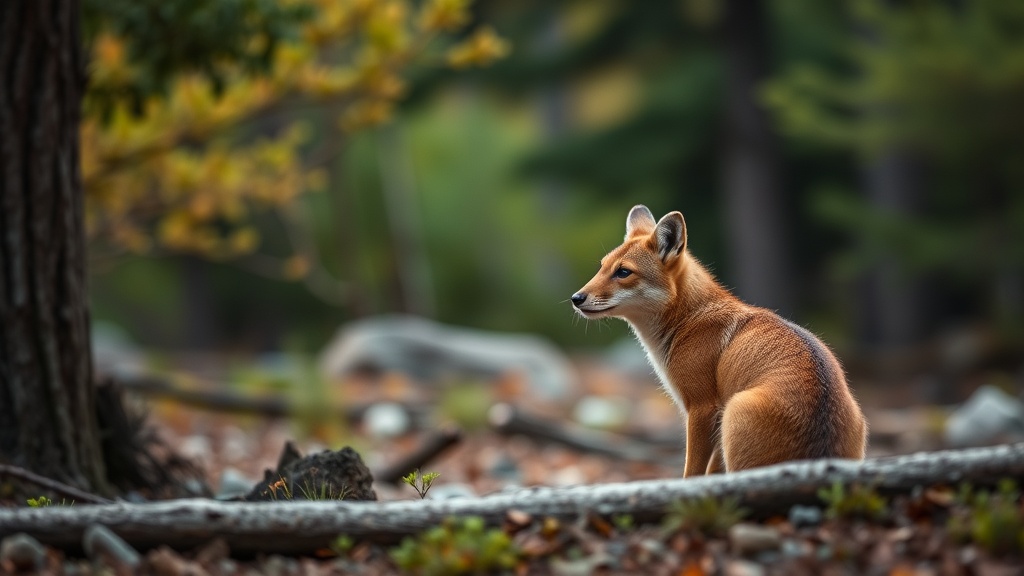
Respecting Algonquin Park's Wild Inhabitants: Your Guide to Thoughtful Encounters

Understanding Wildlife in Algonquin Park: A Guide to Thoughtful Encounters
Algonquin Park isn't just a destination; it's a vibrant, thriving ecosystem teeming with incredible wildlife. For those living in or visiting the surrounding region, understanding how to interact respectfully and safely with these wild inhabitants is paramount. This guide will walk you through best practices for observing animals, navigating potential encounters with larger creatures, and the critical reasons behind never feeding wildlife, ensuring both your safety and the well-being of the park's diverse species.
How can I safely observe wildlife without disturbing them?
Observing wildlife is one of the most rewarding aspects of being in and around Algonquin Park. To do it safely and ethically, several key principles apply. First, and perhaps most importantly, maintain a respectful distance. This isn't just about avoiding startling an animal; it's about protecting yourself and ensuring the animal continues its natural behaviors uninterrupted. A good rule of thumb is to use binoculars or a telephoto lens to get a closer look, rather than approaching physically. If an animal changes its behavior because of your presence—if it stops feeding, looks directly at you, or moves away—you are too close. Back away slowly and quietly.
Being aware of your surroundings is also crucial. Many animals are most active during dawn and dusk. This means planning your walks, paddles, or drives during these times can increase your chances of spotting something special. However, it also means exercising extra caution, as visibility might be lower and animals—especially larger ones—could be crossing roads or trails. Consider wearing light-colored clothing to be more visible to others and to animals, though bright colors can also be a deterrent for some species.
Silence is golden when wildlife viewing. Loud noises, sudden movements, and even distinct human scents can scare animals away or cause them stress. Travel quietly, speak in low tones, and keep pets on a leash and under strict control. Remember, dogs, even well-behaved ones, can be perceived as predators by wild animals, leading to unpredictable and potentially dangerous reactions. Always consult park regulations regarding pets before bringing them along.
Learn about the animals you hope to see. Knowing their habitats, feeding patterns, and typical behaviors will not only enhance your viewing experience but also help you interpret their actions. Are they relaxed? Are they agitated? Understanding these cues is fundamental to responsible observation. For instance, a moose often appears calm, but if it lays its ears back or stares intently, it might be feeling threatened. Keep your movements slow and predictable, avoiding anything that might appear aggressive or confrontational. Always leave the area cleaner than you found it, packing out all trash and respecting the natural environment.
What should I do if I encounter a large animal like a bear or moose?
Encounters with large animals—bears, moose, and even deer—are part of the Algonquin Park experience, but knowing how to react is vital for everyone’s safety. The core principle for any large animal encounter is to remain calm and assess the situation without panicking. Sudden movements or loud screams can provoke an adverse reaction.
For black bears, which are common in the park, the general advice is to make yourself look as large as possible, make noise, and slowly back away. Never run; this can trigger a chase response. If a bear approaches, stand your ground, shout, and try to appear intimidating. If a bear attacks, especially if it seems predatory (not a defensive mother bear), fight back vigorously. Carrying bear spray is a wise precaution, and knowing how to use it is even wiser. Store food properly in bear-resistant containers or hung from trees, and never leave food or scented items unattended.