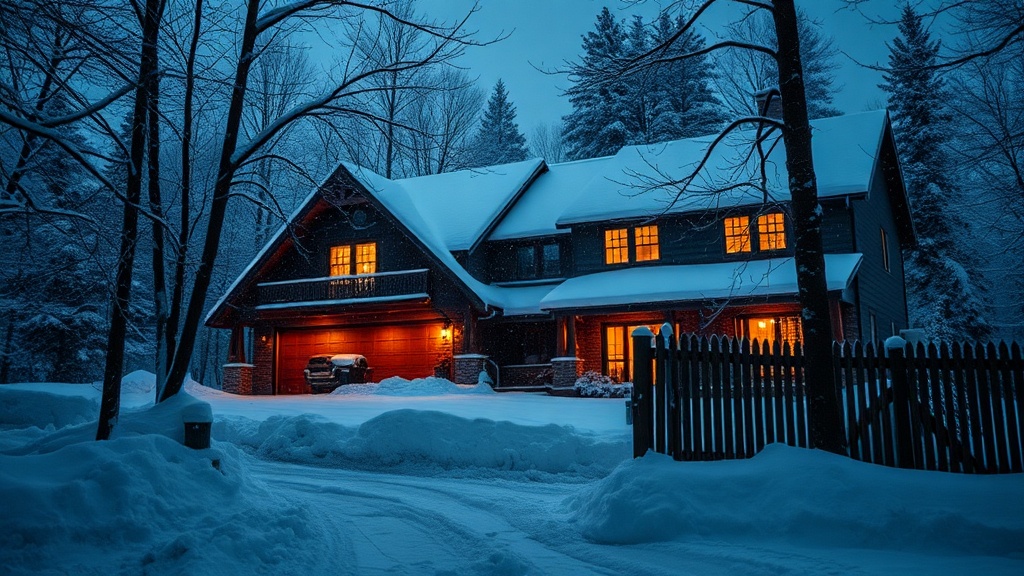
Preparing Your Property for the Heavy Snowfall in the Algonquin Park Area

Nearly 30% of the annual snowfall in our region occurs during a single massive storm event rather than being spread out through the winter. For those of us living in the Algonquin Park area, managing a property isn't just about shoveling a driveway; it's about ensuring our homes and structures can withstand the weight of heavy, wet snow. We need to prepare our seasonal gear, our infrastructure, and our physical-space management long before the first freeze hits the Huntsville or Dwight corridors.
What should I do with my outdoor structures before winter hits the Algonquin Park area?
If you own a shed or a small outbuilding near the edges of the Algonquin Park area, you've likely seen how a heavy snow load can bend a roof. We recommend reinforcing any lightweight structures or even adding temporary bracing. If you have a seasonal structure near a trail or a woodlot, check that the roof pitch is sufficient to shed snow. It's also a good idea to clear out any loose garden furniture or lightweight items from your yard. A heavy gust of wind accompanied by a snow dump can turn a lightweight plastic chair into a projectile that hits your siding. We've seen plenty of folks in our community deal with damaged siding because they left their patio sets out during a November blizzard.
Protecting your water lines and outdoor taps
One of the biggest headaches we face in the Algonquin Park area is frozen pipes. It's not just a myth; it's a reality of living in a high-latitude zone. Before the ground freezes, make sure you disconnect all garden hoses from your exterior faucets. Leaving a hose attached can actually trap water inside the faucet, leading to a burst pipe when the temperature drops below zero. If you have a well system, ensure your pump house or any exposed plumbing is wrapped in insulation. We often see neighbors struggling with frozen lines because they neglected this simple step in late October.
How do I manage snow removal for long driveways?
If your driveway is long or sits on a steep incline—common for many properties surrounding the Algonquin Park area—you'll need a plan. Relying solely on a shovel is a recipe for back pain. We suggest investing in a high-quality snow blower that can handle the heavy, wet snow we often get in late December. If you're part of a local service agreement, make sure you've contacted your contractor before the first big storm. Most local services in our region fill up fast, and you don't want to be the last person on the list when the snow is three feet deep.
Also, consider the placement of your snow piles. We've noticed that many people pile snow right against their foundation or wooden fences. This isn't ideal because the melting and refreezing cycle can cause significant damage to your building's base. Always pile your snow at least a few feet away from your home's foundation or any wooden structures. You can find more information on regional weather patterns and historical snow depths through the Environment Canada website to help plan your winter storage.
Maintaining your access routes
If you live on a private road or a more remote track near the park boundaries, your access is your lifeline. Keeping your driveway clear isn't just about getting your car out; it's about emergency access. Make sure your snow removal equipment is serviced and ready to go by November 1st. Check your battery-operated tools and ensure your gas saws are fueled if you need to clear fallen branches. A clear path is vital for local emergency services if they ever need to reach your property.
Where can I find winter-ready supplies in the area?
We don't have a massive metropolis here, but we have plenty of reliable local options. For heavy-duty ice melt or high-quality salt, check in with your local hardware stores in Huntsville or Dwight. Don't bother with the cheap stuff from big-box stores in the city; the salt concentrations often aren't strong enough for the deep freezes we experience here in the Algonquin Park area. For specialized equipment-related needs, local agricultural or small-engine shops are your best bet. They understand the specific grit and weight of the snow we deal with locally.
| Item | Preparation Method | Timing |
|---|---|---|
| Garden Hoses | Drain and store in garage | Late October |
| Outdoor Faucets | Install insulated covers | Early November |
| Snow Blower | Service engine and check oil | October |
| Driveway Salt | Purchase bulk supply | Before first freeze |
Living in this beautiful part of Ontario means respecting the seasons. We've learned that a little bit of preparation in the autumn prevents a massive headache in the middle of January. Whether it's protecting your pipes or reinforcing a shed, being proactive is the hallmark of a seasoned local resident in our community. Stay warm and stay prepared.