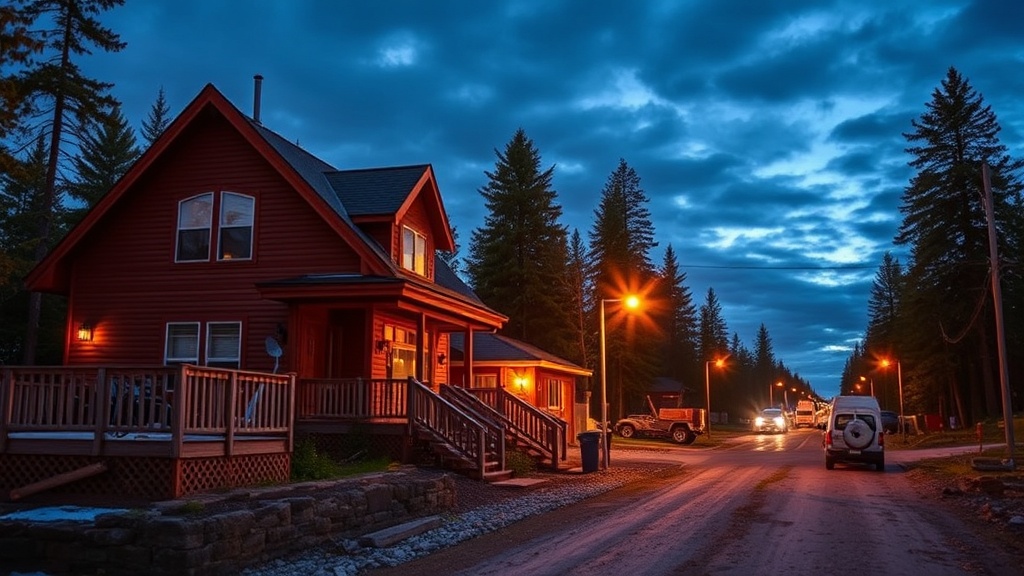
Managing Local Property and Infrastructure Near the Algonquin Park Area

Understanding Local Property Maintenance in the Algonquin Park Area
Over 70% of local land management issues in our region stem from unpredictable weather shifts and heavy snowfall. This isn't just about keeping a driveway clear; it's about maintaining the integrity of your home and land in the unique climate surrounding the Algonquin Park area. Living here means we're constantly negotiating with the elements. Whether you own a small cottage near Dwight or a larger property closer to the park boundaries, understanding the specific demands of our local environment is something we all have to do.
We often see neighbors struggling with drainage issues when the spring thaw hits the Algonquin Park area. Because our terrain is often rocky and uneven, water doesn't always flow where you'd expect it to. A poorly placed culvert or a clogged gutter can lead to significant foundation issues during the heavy rains we see in late spring. It’s a common sight in our local community, and addressing these small issues early saves a lot of heartache later.
The infrastructure in the Algonquin Park area—especially the smaller-scale roads and private access points—requires a different level of care than the urban centers. If you're living on a gravel road, you'll notice that the washouts can be quite severe after a heavy storm. Maintaining a clear line of sight and ensuring your driveway-to-road transitions are stable is a part of being a responsible property owner in our neck of the woods.
How do I handle heavy snow and ice on my property?
Snow removal is a way of life for us. In the winter, the Algonquin Park area experiences significant accumulation that can trap vehicles or block access to homes. We recommend having more than one way to access your property if possible. If you're using a plow service, make sure they are familiar with the specific constraints of your driveway. Many local contractors in our area have seen how a standard plow can struggle with the uneven terrain near the park-side roads.
Ice is actually a bigger threat to our local infrastructure than the snow itself. Black ice on shaded segments of the road near the Algonquin Park area can be incredibly dangerous. We suggest keeping a stock of high-quality grit or sand near your garage. It’s not just for the driveway; it's for the small walkways leading to your porch. A slip on an icy step is a common way residents end up in the local clinic, and we’d all rather avoid that.
Where can I find local equipment and supplies?
When you need heavy-duty tools or seasonal supplies, you don't need to drive to the big cities. Our community relies heavily on local hubs. For instance, many of us head toward the local hardware stores in the nearby villages to grab salt, grit, or even small engine parts for snowblowers. Keeping your tools in good working order is vital because the work we do here is physically demanding and requires reliable machinery.
If you're looking for more technical information on local environmental regulations or land use, the Ministry of Natural Resources and Forestry provides detailed guidelines that affect how we manage our land near the park. Staying informed about these regulations is part of being a good steward of the land we all share.
How can I protect my home from seasonal water damage?
Water management is a year-round discussion in the Algonquin Park area. During the spring, the melt-off can be intense. If your property is at a lower elevation, you must ensure your grading directs water away from your foundation. We've seen many local homes suffer because a simple gutter system wasn't cleared of debris. The pine needles from the surrounding forests can clog a downspout in a single season.
It is also wise to monitor the water table levels. If you have a well, the fluctuations in the local water table can occasionally affect your supply during dry spells. We suggest checking in with neighbors to see if they've noticed any changes in water pressure or quality. Community knowledge is often more reliable than a generic weather report when it comes to the micro-climates we experience near the Algonquin Park area.
Managing Vegetation and Forest Borders
The forest is our neighbor, and it's a beautiful one, but it can be a handful. Keeping trees trimmed back from your roofline is a necessary task. A fallen limb during a summer storm can cause massive damage. We often discuss the importance of regular tree inspections in our community forums. It's much cheaper to prune a branch today than to replace a roof tomorrow.
If you're managing a larger parcel of land, you'll need to keep an eye on invasive species. These can sometimes creep in from the edges of the Algonquin Park area and disrupt your local ecosystem. Being proactive about your land management ensures that your property remains a safe and stable place for your family to live for years to come.