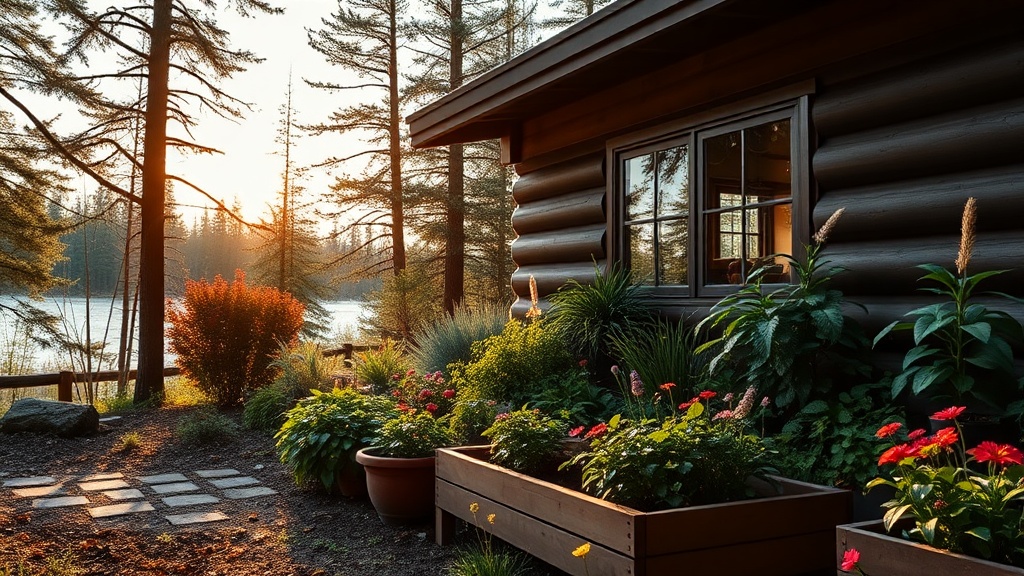
How to Set Up a Home Garden Near Algonquin Park

Growing Food in the Shadows of the Canadian Shield
Did you know that the rocky terrain around Algonquin Park often presents a soil depth of less than six inches in many residential areas? This isn't just a minor inconvenience; it's a defining characteristic of our local geography. If you live in the community surrounding the park, you've likely noticed how the granite outcrops make traditional digging a real headache. This guide covers how we can successfully grow vegetables and flowers despite the thin, acidic soil and the shorter growing season typical of our part of Ontario. We'll look at ways to bypass the rocky ground and build a productive garden right here in our neighborhood.
Living near the park means we deal with a unique microclimate. We have shorter daylight hours in the spring and late frosts that can linger well into June. To get started, you don't need a massive plot of land—you just need to work with what the land provides. Instead of fighting the rocks, we recommend working with raised beds or container gardening. This allows you to control the soil quality from the ground up, ensuring your plants aren't competing with the heavy clay and granite common to the Algonquin Park outskirts.
Where should I build raised garden beds?
Deciding on a location is the first hurdle for any local gardener. You want a spot that gets at least six to eight hours of direct sunlight. In our part of the world, the heavy forest canopy can cast long shadows even during the middle of the day. We suggest mapping the sun's path across your yard before you move any heavy soil. If you're living in a more forested part of the area near the park, your garden might need to be a bit more mobile or modular.
When building your beds, keep the weight in mind. Because our ground is often shallow, building heavy structures directly on the earth can be tricky. A lighter frame made of cedar or even high-quality galvanized steel works best. You can find great local supplies at places like the local timber suppliers if you're looking to build your own frames. Using a raised bed also helps with drainage—a major plus given the heavy rains we sometimes see in this region.
What are the best soil types for our area?
Since we can't rely on the natural topsoil around the Algonquin Park area, we have to import what we need. Most of our local soil is quite acidic due to the surrounding pine forests. To fix this, we mix in plenty of organic compost and well-rotted manure. A good mix for our climate usually includes a base of peat moss or coconut coir to hold moisture, mixed with perlite for aeration.
If you're looking for professional advice on soil composition, checking the Ontario Ministry of Agriculture guidelines is a great way to ensure you're hitting the right nutrient levels. We've found that adding a bit of lime can also help neutralize the acidity that comes from the nearby coniferous trees. This makes the soil much more welcoming for heavy feeders like tomatoes or squash.
How do I deal with the short growing season?
The frost-free window in the Algonquin Park area is noticeably tighter than in the southern parts of Ontario. We often see a late frost in late May, which can kill a tender seedling in a single night. To mitigate this, we use row covers or cold frames. These aren't just for the spring; they are a vital tool for extending our harvest into the autumn. A simple frost cloth can make a huge difference for your leafy greens when the temperature dips unexpectedly.
Another trick we use locally is starting seeds indoors. By the time the ground is warm enough to plant outside, your seedlings should already be a few inches tall. This gives them a head start on the season. You can even use a small heated-mat setup in a windowsill to mimic a warmer environment. This isn't just about gardening; it's about understanding the rhythm of our specific environment.
Which vegetables grow best in our climate?
Not every vegetable is a winner in our neck of the woods. While you might see people in southern Ontario growing peppers easily, we find that hardy greens and root vegetables perform much better here. Kale, Swiss chard, and spinach are incredibly resilient to the temperature swings we experience. They can handle the dip in temperature that often comes with our local weather patterns.
- Root Vegetables: Carrots, radishes, and beets love our cooler spring temperatures.
- Leafy Greens: Lettuce and arugula thrive if they get a bit of shade during the heat of the afternoon.
- Hardy Herbs: Chives and parsley are much easier to maintain than more delicate herbs.
If you're looking for a place to pick up high-quality seeds or specialized organic fertilizer, check with local farm supply stores in the nearby towns. Many of our neighbors also swap seeds and tips at local community garden meetups. Building a garden here is as much about the community as it is about the plants. Whether you are living near the park entrance or tucked away in a side street, sharing what works is the best way to grow together.