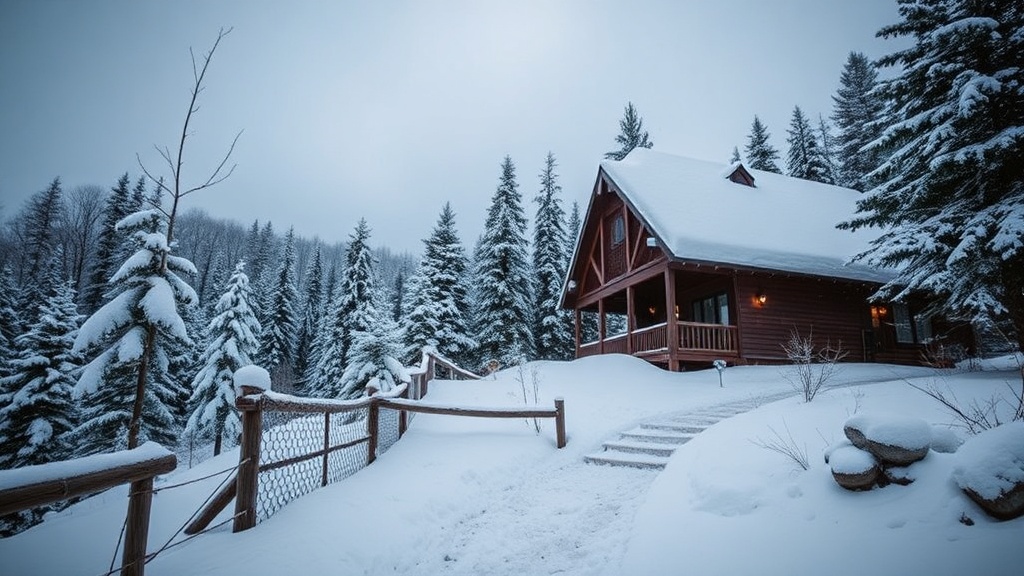
Getting Your Local Property Ready for Winter in the Algonquin Park Region

Did you know that snow accumulation in the Algonquin Park area can often exceed 200 centimeters in a single season? This isn't just a statistic for us; it's a reality that dictates how we maintain our homes and properties every single year. Preparing your property for the long freeze isn't just about being proactive—it's about protecting your investment and ensuring your home stays functional through the heavy frost cycles common to our corner of Ontario. We're talking about everything from drainage management to winterizing outdoor structures near the park boundaries.
Living near the edges of Algonquin Park means we face different environmental stresses than those in the city. Our heavy snowfall and the way the terrain interacts with the surrounding wilderness-influenced microclimates can cause real issues if you aren't ready. Whether you're living in Dwight, Huntsville, or closer to the park gates, the transition from autumn to winter requires a specific checklist to avoid costly repairs once the spring thaw hits.
How do I prevent frozen pipes during a cold snap?
One of the biggest fears for anyone in our community is the dreaded burst pipe. When the temperatures drop sharply around the Algonquin Park periphery, even well-insulated homes can face risks. We suggest insulating any exposed plumbing that runs through unheated areas like garages or crawl spaces. If you have an outdoor spigot, don't just turn the water off—you must actually drain the line. A simple trick we use is to disconnect the garden hose and leave the tap slightly cracked to let any remaining water bleed out. This prevents the expansion of ice from cracking the metal or plastic fittings.
If you have a heated driveway or a specialized irrigation system, check the timers now. Many of our neighbors in the more rural parts of the district rely on these systems, and a freeze-up can be a headache. If you're unsure about your home's specific plumbing setup, it's worth reaching out to a local professional. For instance, Huntsville Home Services or other local technicians are familiar with the specific water pressure and temperature swings we see in the Algonquin Park region.
What should I do with my garden and outdoor structures?
As the leaves fall, our yard work shifts from gardening to preservation. If you have raised beds or perennial gardens near your property line, ensure they are properly mulched. We've seen many local residents struggle with plant death because they didn't account for the heavy snow loads that push against garden structures. It's a good idea to clear out any delicate seasonal plants or move them to a sheltered area near your home.
For those of us with large outbuildings or sheds, check the roof integrity. The weight of wet, heavy snow can be immense. If you have a shed near a wooded area of your property, ensure the roof is clear of debris. We recommend checking the [Ontario Ministry of Natural Resources and Forestry](https://www.ontario.ca/page/ministry-natural-resources-and-forestry) guidelines if your property borders protected land, as there are often specific rules about what you can do with vegetation near the park boundaries during the winter months. Keeping your property clean also helps prevent the buildup of organic matter that can rot under a thick snowpack.
How can I protect my property from heavy snow loads?
The sheer weight of a winter in the Algonquin Park area can be a problem for fences and sheds. If you have a wooden fence, check the stability of the posts. If the ground is prone to frost heave—which many of our local properties are—you might notice the ground shifting. It's a common occurrence here. We also suggest checking your gutter systems. Clogged gutters lead to ice dams, and an ice dam can push water back under your shingles, causing leaks inside your house.
- Clear the gutters: Make sure all leaves and twigs are removed before the first freeze.
- Check the eaves: Ensure there is enough overhang to keep snow from piling up against your siding.
- Inspect your shed: Tighten any loose bolts and ensure the structure is stable for heavy weight.
- Manage drainage: Ensure downspouts are directed away from your foundation to prevent ice buildup at the base of your home.
Many people forget that the ground itself changes during our winters. The frost line in the Algonquin Park area can be quite deep. This means any shallowly planted trees or shrubs might be vulnerable to frost heave. If you have a landscape design you want to protect, consider adding a thick layer of mulch to help stabilize the soil temperature. You can find more detailed information on local soil and climate-specific gardening on the [Canadian Plant Conservation website](https://cpcn.ca/) if you're looking to preserve specific local flora.
We also recommend being mindful of your driveway and walkways. If you're using salt for ice, be careful of how it runs off into the local ecosystem. Since we live so close to the natural beauty of the park, we want to ensure our local runoff doesn't damage the surrounding soil or water quality. Using sand or specialized environmentally friendly de-icers is a better way to manage slippery paths without harming our local environment.
Lastly, never underestimate the importance of a good flashlight and extra batteries. When the winter storms hit near the park, power outages can be frequent. We always keep a dedicated kit in our garage—not just for emergencies, but for routine maintenance tasks during the dark winter months. Staying prepared is the only way to truly enjoy the peace and quiet of our beautiful, snowy winters here in our community.